
How to fix no sound on laptop is one of the most searched Windows problems—and one of the most misleading. In 2026, laptops rely on layered audio drivers, background services, and smart device switching. When sound disappears, it’s rarely the speakers themselves.
The real fix starts with identifying where audio is breaking, not replacing hardware.
This article is for general informational purposes only. It does not provide professional IT or hardware repair advice. Results may vary depending on laptop model, Windows version, and system configuration.
Why laptop sound suddenly stops working
No sound usually appears after Windows updates, device changes, or switching between headphones, Bluetooth, and HDMI audio.
For example, a remote worker in California lost sound after unplugging an external monitor. The laptop speakers still worked—but Windows was routing audio to a device that no longer existed.
Windows didn’t fail. It just listened to the wrong output.
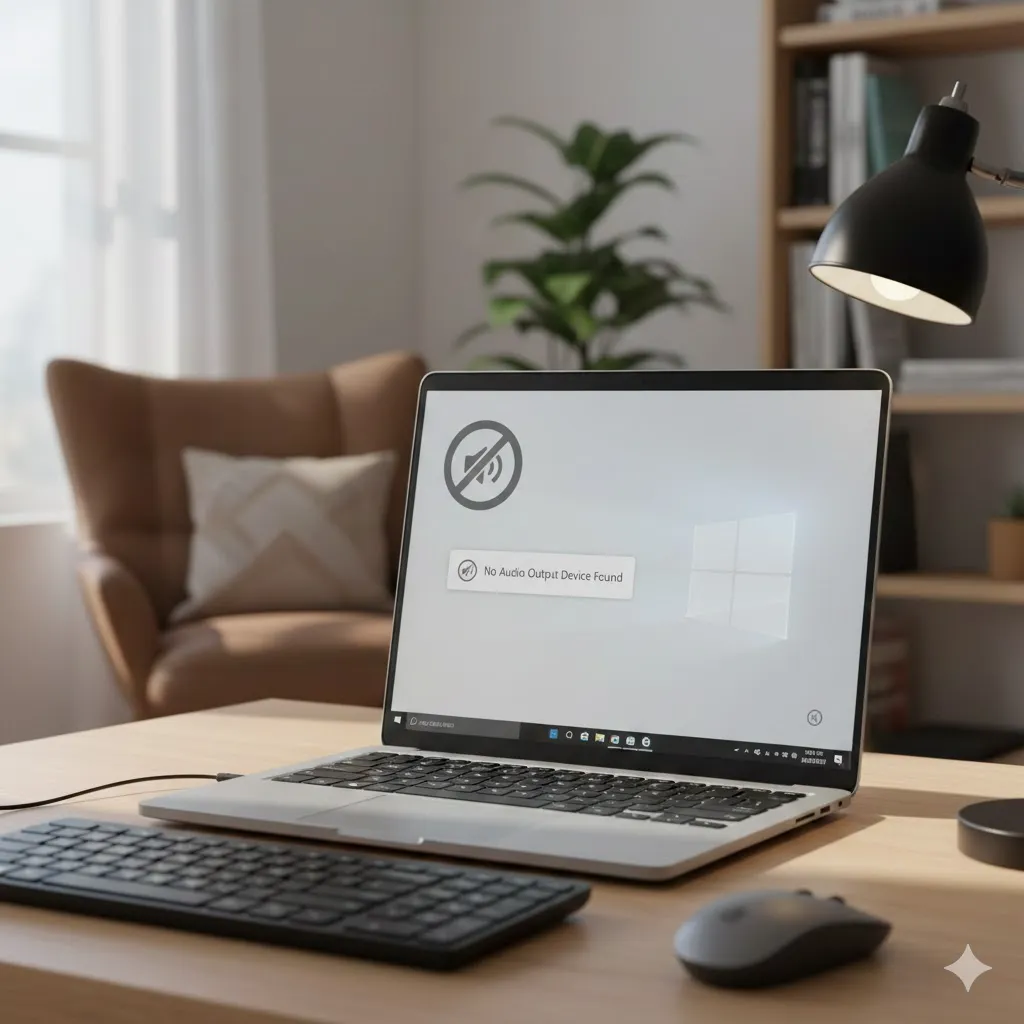
Start with audio output and volume checks
Before changing drivers or settings, confirm Windows is sending sound to the correct place.
Click the speaker icon in the taskbar and verify the selected output device. Laptops often default to Bluetooth headphones, HDMI monitors, or virtual devices without warning.
Also open Volume Mixer and confirm no apps are muted individually. A student in Texas restored sound instantly after discovering a browser tab muted by Windows.
Restart Windows Audio services
If sound settings look correct but audio is still silent, restart Windows Audio and Windows Audio Endpoint Builder services. These services frequently fail to restart cleanly after sleep or updates.
Internal links to your Windows services troubleshooting guide fit naturally here.
Check drivers and audio enhancements
Audio drivers act as translators. When they’re outdated or corrupted, silence follows.
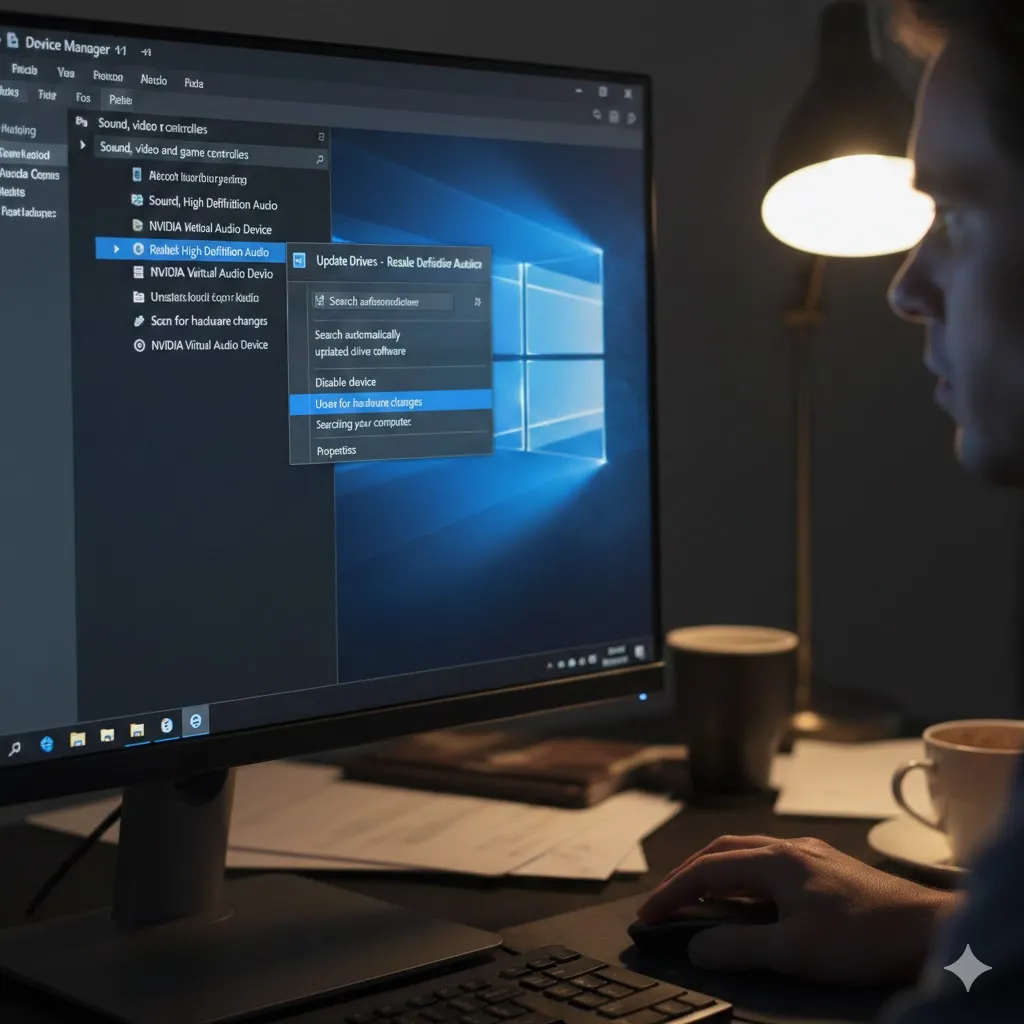
Open Device Manager, expand Sound, video and game controllers, and confirm no warning icons appear. If sound disappeared after an update, reinstalling the manufacturer’s audio driver often resolves the issue.
A nonprofit administrator in Ohio fixed persistent silence by replacing a generic Windows driver with the official laptop audio driver.
Compare the most effective no-sound fixes
Different symptoms point to different solutions. This table helps narrow the right fix quickly.
| Symptom | Most Effective Fix | Difficulty | Risk |
|---|---|---|---|
| Sound icon present but silent | Change output device | Easy | Low |
| No devices listed | Restart audio services | Easy | Low |
| Sound stopped after update | Reinstall audio driver | Medium | Low |
| Sound via headphones only | Disable enhancements | Medium | Low |
Pro Insight
Many “no sound” cases are routing issues, not failures. Windows often switches audio outputs automatically without telling you.
Quick Tip
If audio works through headphones but not speakers, disable audio enhancements in Sound Settings. Enhancements commonly break after updates.
Test hardware only after software checks
Hardware failures are far less common than software misconfiguration.
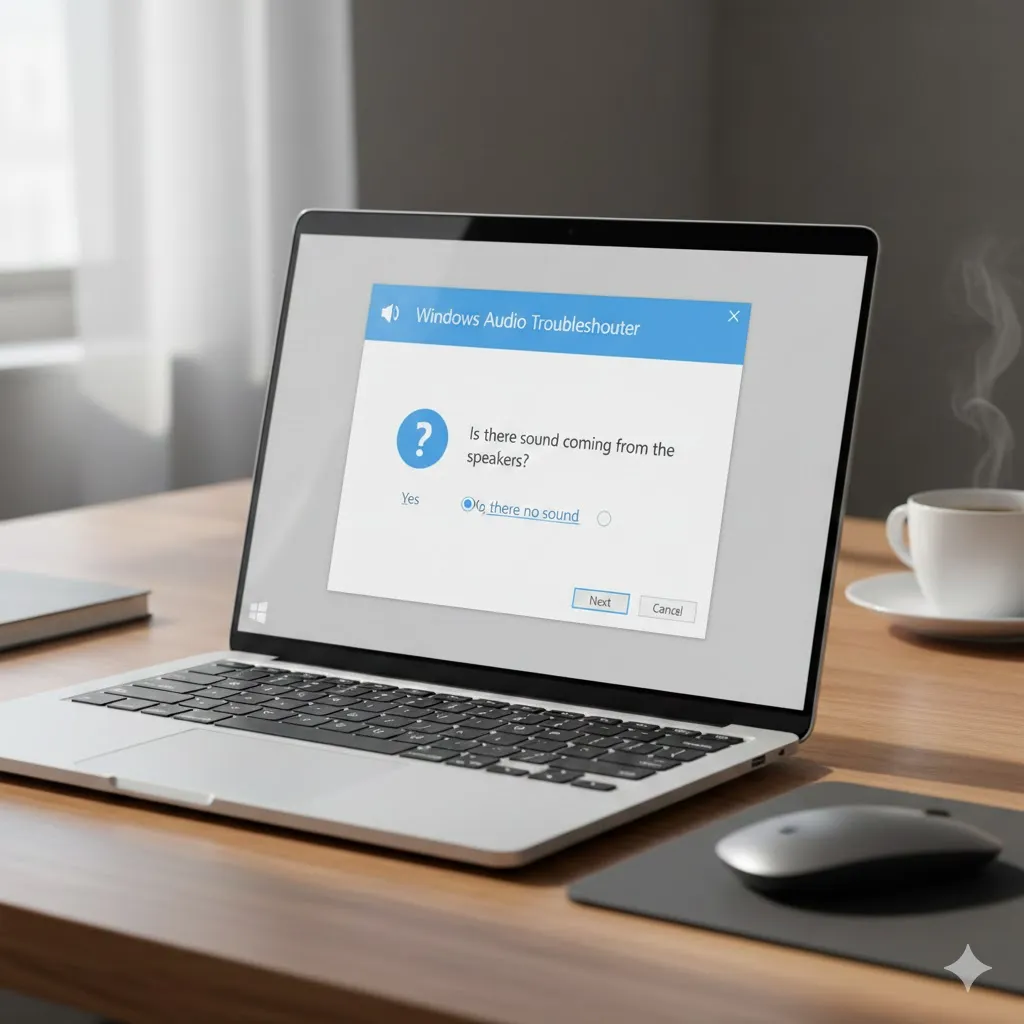
Before assuming speaker damage, run the Windows audio troubleshooter and test sound in Safe Mode. If audio works there, the issue is almost certainly driver- or service-related.
A graphic designer in New York avoided unnecessary repairs by discovering a background app was hijacking audio output on startup.
FAQs
Why does my laptop show sound but I hear nothing?
Windows is likely sending audio to the wrong output device or a muted app.
Can Windows updates cause audio problems?
Yes. Updates often reset drivers, enhancements, or services.
Should I reinstall Windows to fix no sound?
Almost never. Audio issues are typically driver or configuration related.
Why does sound work with headphones but not speakers?
Speaker drivers, enhancements, or output routing are usually the cause.
Is this likely a hardware problem?
Only after all software fixes fail. Hardware issues are less common.
Conclusion
Fixing no sound on a laptop usually means correcting routing, services, or drivers—not replacing speakers. By checking output devices, restarting audio services, and reinstalling the right drivers, most sound issues resolve quickly. A calm, step-by-step approach beats guesswork every time.
Trusted U.S. Resources
- Microsoft Support – Audio Troubleshooting: https://support.microsoft.com
- Microsoft Learn – Windows Audio: https://learn.microsoft.com
- CISA Cyber Safety Guidance: https://www.cisa.gov